Do You Need Electrolytes If You Don't Sweat Much? The Office Worker's Case for Daily Hydration
In this article
- Why Sweat Isn't the Only Reason You Lose Electrolytes
- Sedentary Adults Still Have Baseline Electrolyte Needs
- Thirst Is a Lagging Indicator — You're Already Behind
- Signs of Mild Dehydration That Desk Workers Often Dismiss
- The Air-Conditioned Office Problem Nobody Talks About
- A Simple Daily Hydration Habit Stack for Desk Workers
- Where RPLNSH Fits In
- FAQs
You sit at a desk most of the day. No marathons, no double training sessions — just meetings, screens, and a coffee habit. So electrolytes probably aren't on your radar. Those are for athletes, right?
Not exactly. The idea that electrolytes only matter when you're visibly sweating is one of the most persistent hydration myths around, and it quietly affects how millions of desk workers feel every single afternoon.
Here's what's actually happening — and why sitting in an air-conditioned office doesn't mean your hydration needs have gone anywhere.
Why Sweat Isn't the Only Reason You Lose Electrolytes
Sweat is the obvious one — sodium, potassium, and other electrolytes leaving your body in a way you can actually feel. But it's far from the only route.
Every breath you take carries a small amount of fluid out with it. Every bathroom trip takes more. Your morning coffee has a mild diuretic effect that nudges fluid and electrolyte loss a little higher — and the same goes for alcohol. Even the air conditioning keeping your office at a comfortable temperature is quietly pulling moisture from your skin and airways all day long.
None of these losses are dramatic in isolation. Across a full workday, though, they stack up. You don't need to be drenched in sweat to end the afternoon in a mild electrolyte deficit.
Sedentary Adults Still Have Baseline Electrolyte Needs
There's a real difference between what athletes need and what the rest of us need. Someone exercising hard in the heat is losing large volumes of sweat in a short window — their sodium and fluid requirements are significantly elevated. Sedentary adults have a lower baseline. But they still have one.
General dietary guidelines for adults set daily adequate intake targets for sodium, potassium, and magnesium regardless of how active you are. These aren't athlete-specific numbers. They apply to anyone — including someone whose most physically demanding moment today was walking to a meeting room.
The problem is that most people don't come close to hitting their potassium and magnesium targets through food alone, even with a reasonably balanced diet. Processed foods tend to be high in sodium but low in potassium. Busy days mean meals get skipped or rushed. Factor in a couple of coffees, a glass of wine in the evening, and a diet that leans on convenience, and the gap between what you're getting and what you actually need is wider than most people realise.
Thirst Is a Lagging Indicator — You're Already Behind
Here's the thing about thirst: by the time you feel it, you're already mildly dehydrated. Research consistently shows that thirst becomes noticeable at around 1 to 2 percent body water loss — and cognitive function can start to dip even before that point.
So if you're waiting to feel thirsty before you drink, you're spending a good chunk of your workday in a mild fluid deficit. You're not collapsing. You're just not quite at your best.
This matters more for desk workers than it might seem, because the symptoms of mild dehydration look a lot like ordinary work fatigue. You don't feel dramatically unwell. You just feel a bit flat, a bit slow, a bit harder to focus.
Signs of Mild Dehydration That Desk Workers Often Dismiss
These are common. They're also easy to write off as just having a long day.
Afternoon energy slump. That 2 or 3pm drag that sends you toward the coffee machine isn't always about sleep or blood sugar. Mild dehydration is a well-documented contributor to afternoon fatigue in sedentary adults.
Mid-afternoon headaches. If you're getting regular tension headaches without an obvious cause, it's worth looking at your fluid and electrolyte intake before reaching for painkillers.
Brain fog or difficulty concentrating. Even mild dehydration affects working memory, attention, and reaction time. If your afternoons consistently feel harder than your mornings for no clear reason, this is worth paying attention to.
Dry mouth or lips. A subtle but reliable early signal that your intake hasn't kept pace with losses throughout the day.
Dark urine or infrequent bathroom visits. If you're not going regularly, or your urine is darker than pale yellow, you're behind on fluids.
None of these are dramatic. That's exactly why they're so easy to ignore.
The Air-Conditioned Office Problem Nobody Talks About
Climate-controlled environments are designed to strip humidity from the air. That dry air pulls moisture from your skin and airways continuously — even when you're sitting completely still. You don't feel it happening, but the loss is steady throughout the day.
Add a few cups of coffee, a rushed lunch at your desk, and minimal water intake, and it's easy to see how someone ends up mildly dehydrated by mid-afternoon without ever breaking a sweat.
A Simple Daily Hydration Habit Stack for Desk Workers
You don't need a complicated protocol. You just need a few consistent habits that make hydration automatic — something that happens before you're already thirsty.
Start before caffeine. Before your first coffee, drink a full glass of water. If you want to add an electrolyte sachet, this is a good moment — your body has been fasting overnight and your fluid levels are at their lowest point of the day.
Set a midmorning reminder. Most people drink something in the morning and then forget about fluids entirely until they're hungry for lunch. A simple phone reminder at 10am can close that gap.
Drink before lunch, not just during. Drinking water before a meal rather than alongside it improves absorption and helps you tell the difference between genuine hunger and thirst.
Use the afternoon slump as a hydration cue. Before you reach for coffee at 3pm, try water or an electrolyte drink first. You might find the slump clears without the caffeine.
Track loosely, not obsessively. You don't need to count millilitres. Just notice whether you've had something to drink in the last hour. If the answer is no, that's your cue.
Where RPLNSH Fits In
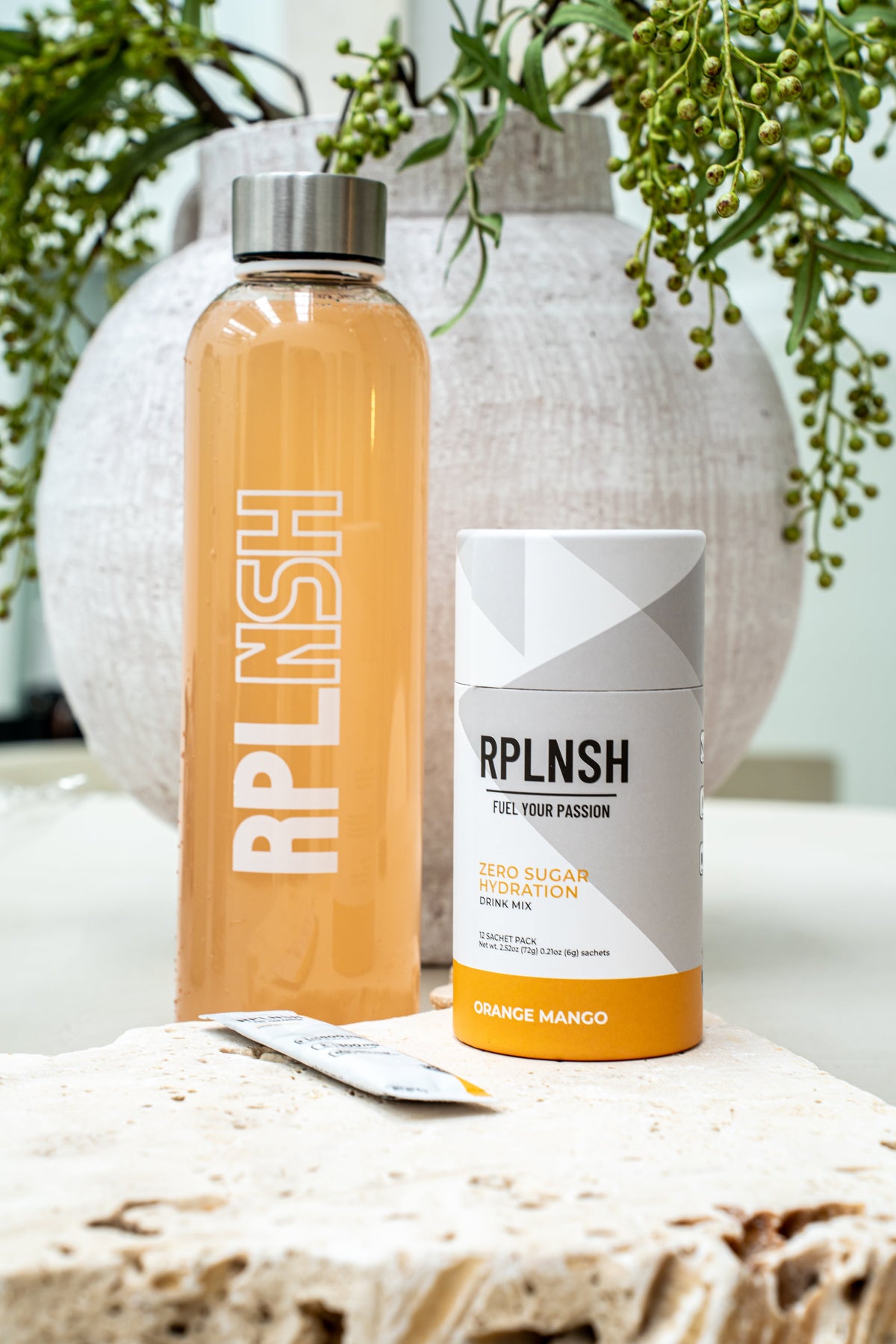
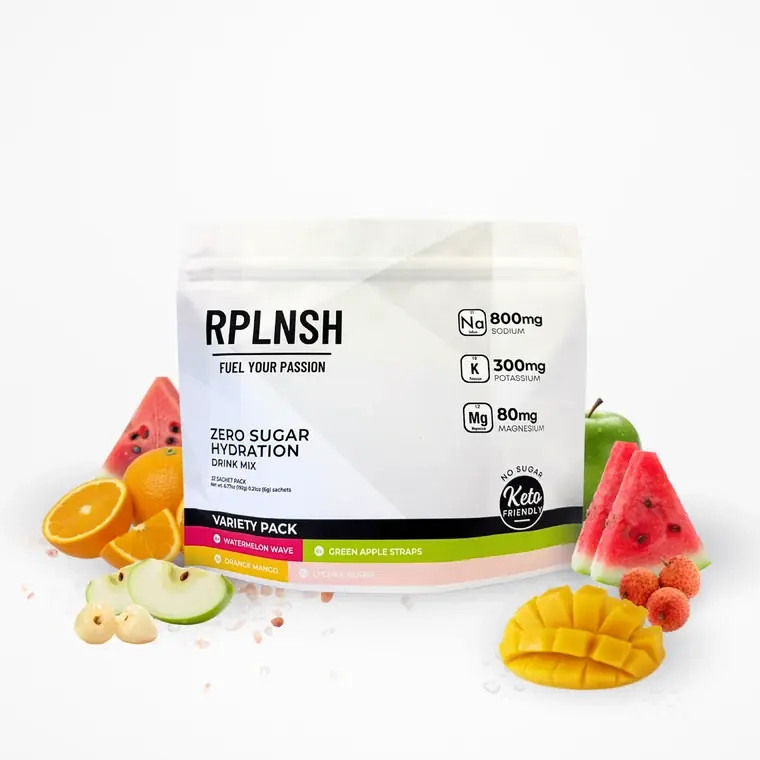
For office workers who want to support daily hydration without adding sugar, extra calories, or artificial ingredients to their day, RPLNSH from Replenish Labs is built for exactly this use case.
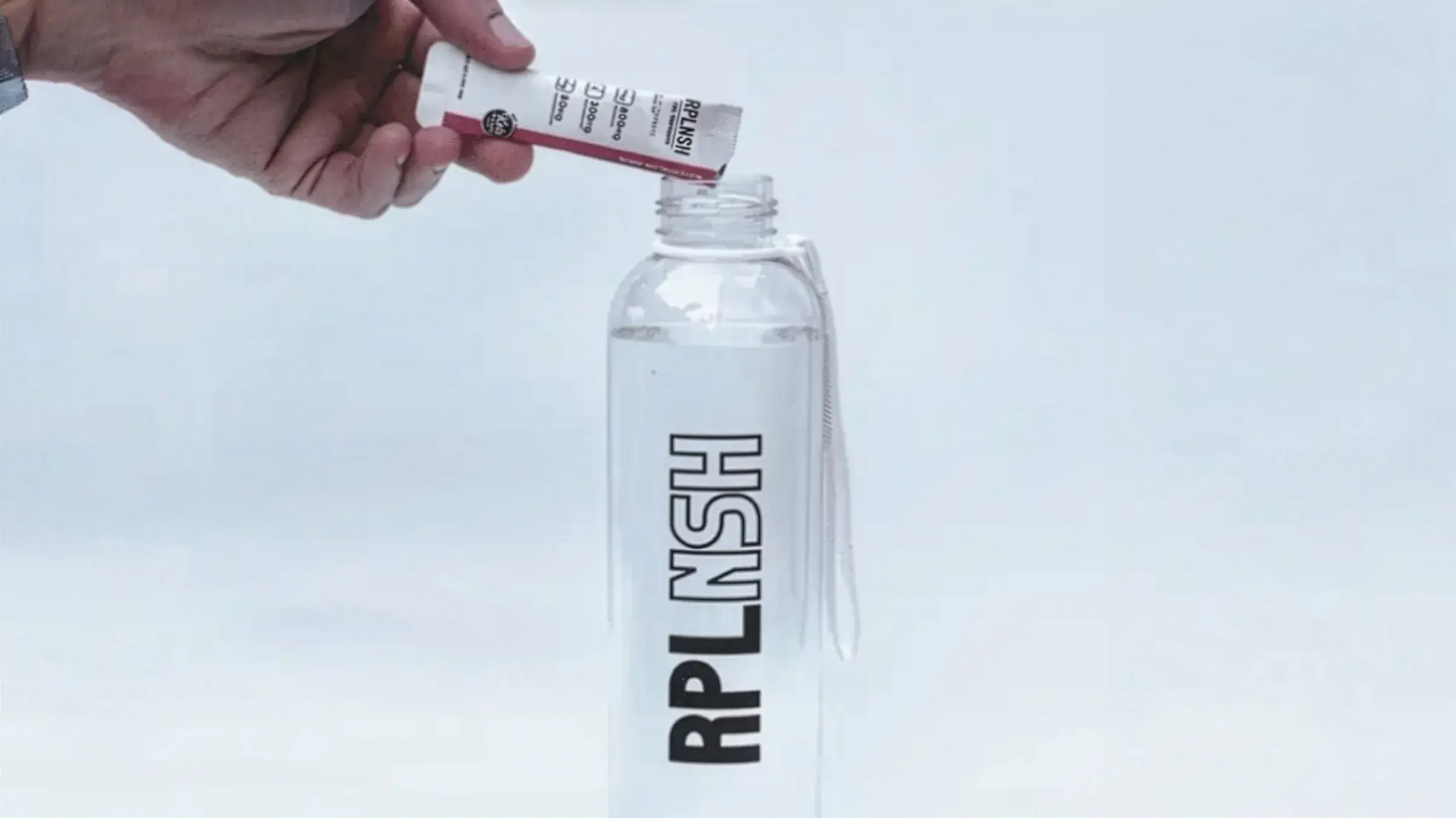
It's a zero-sugar electrolyte powder in single-serve sachets — no measuring, no mess. Tear one open, add it to water, and you're done. The formula skips maltodextrin and artificial junk, which matters when you're using it every day rather than occasionally after a hard workout.
Flavours like Lychee, Watermelon, Green Apple, and Orange Mango make it genuinely easier to drink enough water throughout the day. When you actually enjoy what you're drinking, the friction of staying hydrated mostly disappears — especially when plain water feels unappealing and you're not particularly thirsty.
For non-athletes, this isn't about recovery or performance. It's about maintaining a baseline that keeps you functioning well through a full workday.
FAQs
Do you need electrolytes if you don't exercise?
Yes. Electrolyte needs exist regardless of activity level. Breathing, urination, caffeine intake, and air-conditioned environments all contribute to daily fluid and electrolyte losses — even in people who sit at a desk all day.
Can you be dehydrated without feeling thirsty?
Yes. Thirst is a lagging indicator — it typically appears after you're already 1 to 2 percent dehydrated, which is enough to affect concentration and energy levels.
Are electrolyte drinks only for athletes?
No. Athletes have higher electrolyte needs because of sweat volume, but everyday adults still have baseline requirements for sodium, potassium, and magnesium that exist independently of exercise.
What are the signs of mild dehydration at a desk job?
Afternoon fatigue, headaches, difficulty concentrating, dry mouth, and infrequent or dark urine are the most common signs. They're easy to mistake for general work tiredness.
Does coffee dehydrate you?
Caffeine has a mild diuretic effect, meaning it increases fluid loss slightly. Coffee isn't harmful, but caffeinated drinks don't contribute to your hydration the same way plain water or electrolyte drinks do.
How often should an office worker use electrolytes?
Daily use is reasonable for most people — particularly those who drink coffee regularly, work in air-conditioned spaces, or find it hard to drink enough plain water. A single sachet added to water once a day is a low-effort way to support consistent hydration.
Is zero-sugar important for daily electrolyte use?
For everyday use, yes. Many electrolyte products designed for athletes contain significant amounts of sugar that simply aren't necessary if you're not doing intense exercise. A zero-sugar option like RPLNSH is better suited to daily hydration without the unnecessary calories.
Your hydration needs don't disappear because you're not sweating. They just become easier to overlook. Small, consistent habits — and removing the friction that makes hydration feel like a chore — make a bigger difference than most people expect. Find out more at replenishlabs.com.au.